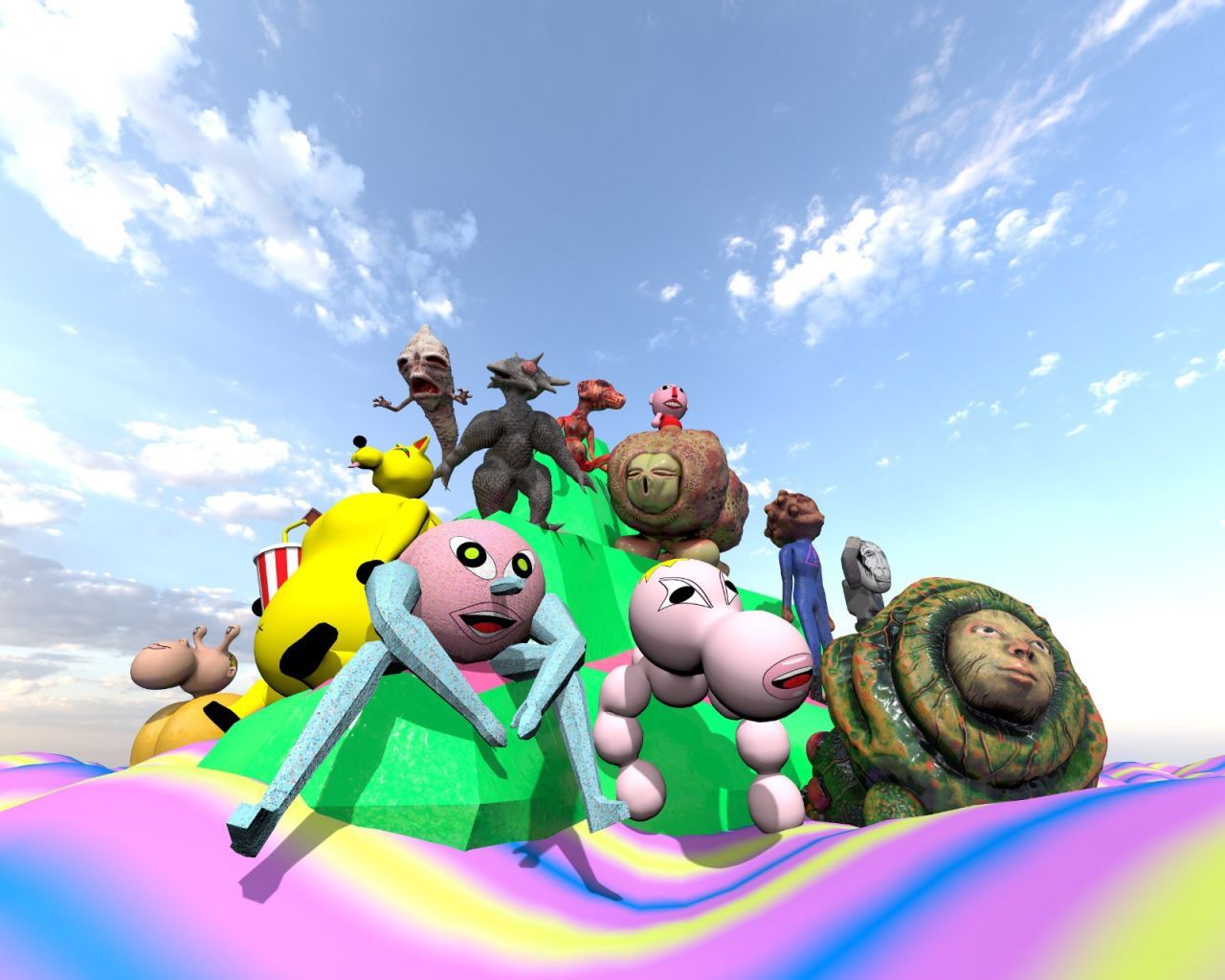
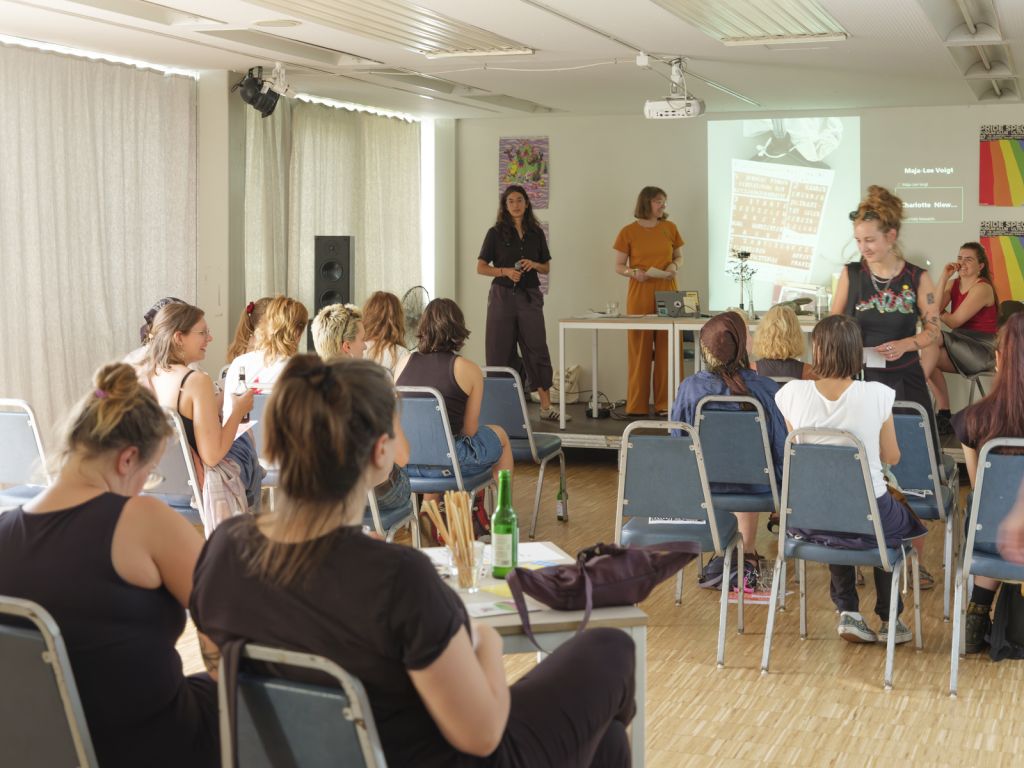
FORUM STADTPARK – Island of Loners / Insel der Einsamen
Whoever is alone now may remain so for a long time yet. They will wake up, read, write long emails. But whoever is alone now is – above all – not alone with that. A growing number of people in Austria spend more and more time alone. Most heavily affected are specific groups such as young, chronically ill people or refugees. For some, the absence of a fixed community is liberating; for many, it is simply “normal;” but increasing numbers of people also suffer because of it.
Statistics reveal just how epochal this change is. When the pressure to perform is the name of the day, relationships play a subordinate role. At the same time, withdrawing into the apparently safe world of “me-time” becomes increasingly valuable: Privacy as a luxury, solitude as an island. This desire writes itself ever more deeply into people’s lifestyles, as cars, single-family homes, smartphones, and AI structure a society united in being alone, together.
At the same time, retrotopias become increasingly attractive: a return to the communal village of the “good old days;” to the völkisch imaginary of national homogeneity. From incels to identitarians to Islamists: feeling socially excluded can turn into a breeding ground for fantasies of violent community. That said, any form of political organizing against such tendencies requires reliable social alliances.
What might a solidarity-based, forward-looking approach to loneliness look like? What forms of relationships are needed in a society of loners? And what role might art and cultural spaces play?
comp-fs_programmheft-2026-web.pdf
Download of our Programme Booklet